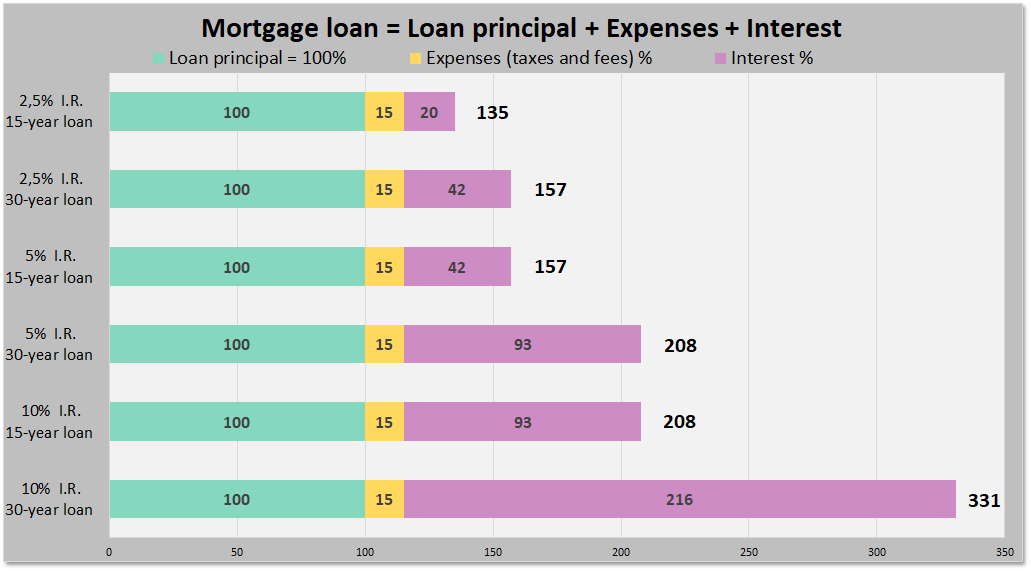
Buying a home is one of the most significant financial decisions most people will ever make. Yet, the process of securing a mortgage can feel like navigating a maze of jargon, paperwork, and complex calculations. You hear terms like amortization, escrow, and private mortgage insurance, but what do they actually mean for your monthly budget? Understanding the mechanics of a mortgage loan before you sign on the dotted line can save you thousands of dollars and a lot of stress.
At its core, a mortgage is simply a loan used to purchase real estate, where the property itself serves as collateral. If you stop making payments, the lender has the legal right to seize the home through a process called foreclosure. This structure allows banks to offer large sums of money over long periods, because the risk is mitigated by the value of the asset. But the way that loan is repaid, how interest accrues, and what fees are bundled into your monthly bill are far from simple.
This guide breaks down the entire journey, from the initial application to the final payment. We will cover the different types of loans, how your payment is calculated, and the factors that influence your interest rate. By the end, you will have a clear picture of the financial obligation you are taking on, enabling you to approach the homebuying process with confidence and clarity.
The Basic Structure of a Mortgage Loan
A mortgage is not just a single debt; it is a structured financial product with several distinct components. When you receive a mortgage, you agree to pay back the principal (the amount you borrowed) plus interest over a set term, usually 15 or 30 years. This repayment is typically spread out into equal monthly installments, a process known as amortization.
In the early years of a 30-year loan, the vast majority of your monthly payment goes toward interest rather than reducing the principal. As the loan matures, this ratio flips, allowing you to build equity faster in the later years. This is a crucial concept to grasp, as it explains why paying off a mortgage takes so long and why making extra principal payments early on can have a dramatic impact on the total interest you pay.
Key Terminology You Need to Know
Before we dive deeper, let’s clarify some terms you will encounter constantly. Knowing these will help you read your loan estimate and understand your lender’s communication.
- Principal: The original sum of money you borrowed to buy the home.
- Interest: The cost of borrowing that money, expressed as an annual percentage rate (APR).
- Amortization: The schedule by which you pay down the principal and interest over the loan term.
- Escrow: An account held by the lender to pay property taxes and homeowners insurance on your behalf.
- Down Payment: The upfront cash you pay toward the purchase price; the rest is financed.
Understanding these components is the first step. The next is figuring out which type of loan fits your financial situation, as the structure of the loan dictates your payment stability.
Fixed-Rate vs. Adjustable-Rate Mortgages
The two primary categories of mortgage loans are fixed-rate and adjustable-rate (ARM). A fixed-rate mortgage locks in your interest rate for the entire life of the loan. This means your principal and interest payment will never change, providing predictable budgeting. This type of loan is ideal if you plan to stay in the home for many years and prefer stability over potential savings.
Conversely, an adjustable-rate mortgage starts with a lower fixed interest rate for an initial period (typically 3, 5, or 7 years), after which the rate adjusts periodically based on market indexes. While the initial monthly payments are lower, they carry the risk of increasing significantly later on. If you expect your income to rise substantially or plan to sell the home before the adjustment period, an ARM can be a strategic—albeit riskier—choice. For most first-time buyers, the security of a fixed rate is often the more prudent path.
How Your Monthly Payment Is Calculated
When you look at your monthly mortgage statement, you will see that the total amount due is rarely just the principal and interest. Lenders bundle several costs into what is known as PITI: Principal, Interest, Taxes, and Insurance. This comprehensive figure ensures that the lender’s investment is protected and that you are not hit with surprise tax bills.
Let’s break down the math. For a $300,000 loan at a 6.5% fixed interest rate over 30 years, your monthly principal and interest payment is approximately $1,896. However, if your annual property taxes are $3,600 ($300/month) and your homeowners insurance is $1,200/year ($100/month), your total PITI payment jumps to $2,296. This is the number that truly determines what you can afford.
Understanding Private Mortgage Insurance
If your down payment is less than 20% of the home’s purchase price, lenders generally require you to pay for Private Mortgage Insurance (PMI). This insurance protects the lender, not you, in case you default on the loan. PMI can cost between 0.5% and 1% of the entire loan amount annually, which adds a significant sum to your monthly payment.
It is important to note that PMI is not permanent. Once your loan-to-value ratio reaches 78% (meaning you have paid off 22% of the home), the lender is required to remove PMI automatically. You can also request its removal earlier when you reach 20% equity. This is a vital financial milestone to track, as shedding PMI effectively gives you a raise without changing your salary.
The Application and Approval Process
Getting a mortgage involves several distinct stages, from pre-approval to closing. The first step is usually obtaining pre-approval, where the lender reviews your credit, income, and assets to determine how much they are willing to lend you. This letter is crucial in a competitive housing market, as sellers often favor buyers who have already secured financing.
Once you find a home and make an offer, you will proceed to a formal application. The lender will order an appraisal to ensure the home is worth the purchase price. You will also undergo a thorough underwriting process, where a specialist verifies every detail of your financial life. This stage requires patience, as you will need to provide bank statements, tax returns, pay stubs, and documentation for any large deposits in your accounts.
Closing Costs and Final Steps
Before you receive the keys, you must pay closing costs. These are fees for services rendered during the loan process, including the appraisal, title search, credit report, and attorney fees. On average, closing costs range from 2% to 5% of the loan amount. For a $300,000 loan, that could mean an additional $6,000 to $15,000 in cash due at the closing table.
You will also receive a Closing Disclosure document three days before closing, which outlines the final terms of your loan. It is imperative to review this document meticulously to ensure the numbers match what you were quoted. Any discrepancies should be addressed immediately to avoid costly errors.
Factors That Determine Your Interest Rate
Your interest rate is the price you pay for borrowing money, and it is influenced by both your personal profile and the broader economy. On a personal level, your credit score is the single most significant factor. Borrowers with excellent credit (740 and above) typically receive the lowest rates, while those with lower scores face higher rates to offset the lender’s risk.
Your debt-to-income ratio (DTI) also plays a critical role. This compares your total monthly debts (car payments, student loans, credit cards) to your gross monthly income. Most lenders prefer a DTI of 43% or lower. Additionally, the size of your down payment affects your rate; putting down 20% or more often unlocks better terms because it demonstrates financial stability and reduces the loan-to-value ratio.
Finally, the state of the economy dictates the baseline rate. The Federal Reserve influences short-term rates, while long-term mortgage rates track the yield on 10-year Treasury bonds. You cannot control these market forces, but you can control your credit health and financial readiness.
Refinancing and Paying Off Your Mortgage Early
Once you own a home and have a mortgage, you are not locked into that loan forever. Refinancing involves replacing your current mortgage with a new one, often to secure a lower interest rate, shorten the loan term, or cash out equity for home improvements. This process incurs new closing costs, so it is wise to calculate your break-even point—the time it takes for your monthly savings to outweigh the upfront fees.
For those looking to save on interest, making extra payments toward the principal is a powerful strategy. Even an extra $100 per month can shave years off a 30-year loan and save you tens of thousands of dollars in interest. Before you do this, however, check that your loan does not have a prepayment penalty, which some lenders include to discourage early payoff.
Understanding the mechanics of your loan also helps you manage your broader financial health. Just as you track your customer relationship management for your business, you should actively monitor your mortgage to ensure you are getting the best deal possible.
Conclusion
Taking out a mortgage is a complex but manageable process. By understanding the distinction between principal and interest, the impact of taxes and insurance, and the long-term implications of your interest rate, you can make informed decisions that align with your financial goals. The key is to move beyond the sticker price of the home and focus on the total monthly obligation and the total cost over the life of the loan.
Whether you are a first-time buyer or a seasoned homeowner, the principles remain the same: protect your credit, save for a substantial down payment, and read every document carefully. Armed with this knowledge, you can navigate the lending landscape with confidence, secure a loan that fits your budget, and build lasting equity in your home.
Frequently Asked Questions (FAQ)
What is the minimum credit score needed for a mortgage?
For a conventional loan, you generally need a score of at least 620. FHA loans are more lenient and can accept scores as low as 500 with a 10% down payment, though 580 is the standard threshold for a 3.5% down payment.
How much house can I afford based on my income?
A common rule of thumb is that your total monthly housing costs (PITI) should not exceed 28% of your gross monthly income. Lenders also look at your total debt-to-income ratio, which typically should stay below 43%.
What is the difference between pre-qualification and pre-approval?
Pre-qualification is an informal estimate of what you might borrow based on self-reported information. Pre-approval is a rigorous process where the lender verifies your financial documents and credit, providing a conditional commitment for a specific loan amount.
Why is my first mortgage payment so much higher than expected?
This often happens because your first payment includes interest that accrued from the closing date to the end of that month, plus a full month of regular interest. This catch-up period results in a one-time higher payment.
Can I pay off my mortgage early without penalty?
Many loans do not have prepayment penalties, but you must check your specific mortgage contract. If there is a penalty, it usually applies only during the first few years of the loan.
What happens if I miss a mortgage payment?
Missing a payment triggers a late fee and negatively impacts your credit score. Lenders typically offer a grace period of 15 days. After 90 days of non-payment, the lender may initiate foreclosure proceedings.