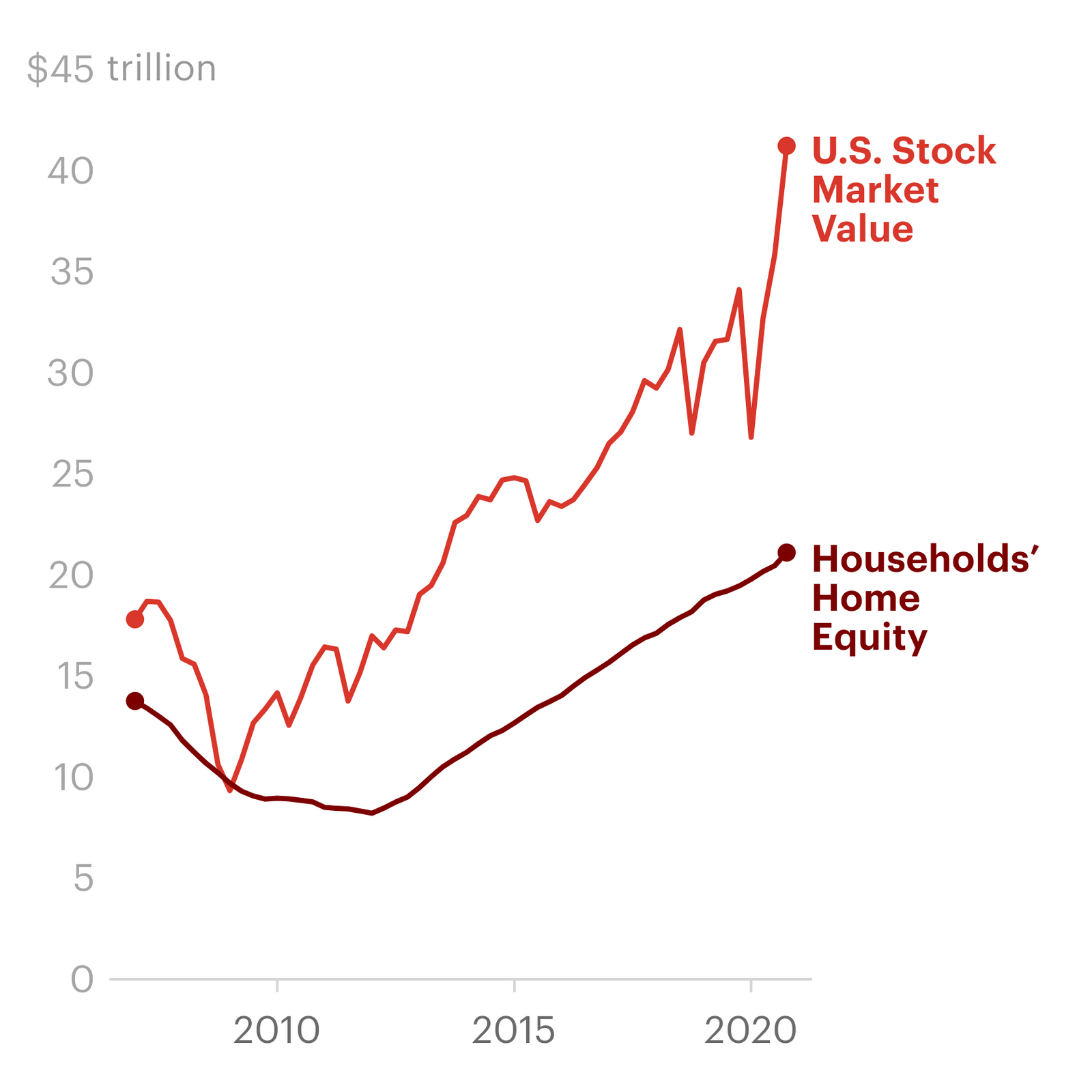
When you need a large sum of money, your home can be a powerful financial tool. Tapping into the equity you’ve built up offers a way to fund a renovation, consolidate debt, or cover a major expense. However, you have to decide between a few different paths, and the two most common options are a cash-out refinance and a home equity loan. Both allow you to borrow against your home, but they work in completely different ways.
The choice matters because it affects your monthly payment, your interest rate, and how long you’ll be paying off the debt. A cash-out refinance replaces your entire mortgage, while a home equity loan adds a second payment on top of your existing one. Understanding these structural differences is the first step toward making a decision that aligns with your financial goals.
Below, we break down how each option works, what they cost, and the scenarios where one might be a better fit than the other.
What Is a Cash-Out Refinance?
A cash-out refinance is a new mortgage that replaces your current home loan. The new loan amount is larger than what you owe, and you receive the difference in cash at closing. For example, if you owe $150,000 on a home worth $300,000, you might refinance for $200,000. You get $50,000 in cash, and you now have a single mortgage for $200,000.
This option is popular because it often comes with lower interest rates than other borrowing methods. Since you are taking out a primary mortgage, the rates are typically close to what you would get on a standard purchase loan. You also have the flexibility to choose between a fixed-rate or adjustable-rate mortgage, depending on your preference and market conditions.
How the Cash Works
The cash you receive is not a separate loan. It is part of your new mortgage balance. That means you will pay interest on it over the full term of the loan, which is usually 15 or 30 years. If you use the money for a home improvement project, you might qualify for a mortgage interest deduction, but you should confirm the rules with a tax professional.
The Cost of Closing
Refinancing is not free. You will pay closing costs, which typically range from 2% to 5% of the new loan amount. These costs include appraisal fees, title insurance, and loan origination charges. Some lenders allow you to roll these fees into the new loan balance, but that increases the total amount you owe and the interest you pay over time.
What Is a Home Equity Loan?
A home equity loan is a second mortgage. It allows you to borrow a lump sum of money using the equity in your home as collateral. Unlike a cash-out refinance, this loan does not touch your existing mortgage. You keep your current first mortgage and add a second payment on top of it.
Home equity loans usually have fixed interest rates and fixed monthly payments, which makes budgeting straightforward. You receive the full amount upfront and repay it over a set term, often between 5 and 15 years. This structure is ideal if you want a predictable payment and a clear payoff date.
How Much Can You Borrow?
Lenders typically allow you to borrow up to 80% or 85% of your home’s value, minus what you still owe on your first mortgage. Your credit score, income, and debt-to-income ratio also play a role in determining your borrowing limit. The approval process is similar to a mortgage application, so be prepared to provide documentation and undergo a home appraisal.
Key Differences Between the Two
While both options use your home as collateral, the way they affect your finances is very different. Here are the main areas where they diverge:
- Number of Payments: A cash-out refinance gives you one single mortgage payment, while a home equity loan adds a second payment alongside your existing mortgage.
- Interest Rates: Cash-out refinances generally have lower rates because they are primary mortgages. Home equity loans often carry slightly higher rates due to the increased risk for the lender.
- Loan Term: Refinancing spreads your debt over 15 to 30 years. Home equity loans usually have shorter terms, such as 5 to 15 years.
- Closing Costs: Both options come with fees, but refinancing tends to have higher closing costs because it involves an entirely new loan.
- Access to Equity: With a cash-out refinance, you can typically access up to 80% of your home’s value. A home equity loan often allows a similar limit, but the exact amount depends on your lender and financial profile.
When to Choose a Cash-Out Refinance
A cash-out refinance is usually the better choice if you want to secure a lower interest rate on your entire mortgage while also getting cash. This is especially true if current mortgage rates are lower than the rate on your existing loan. By refinancing, you can reduce your monthly payment and free up extra money at the same time.
It also makes sense if you prefer to manage just one monthly payment. Combining your existing mortgage and the cash you need into a single loan simplifies your finances. If you plan to stay in your home for a long time, spreading the cost over a 30-year term can make the monthly payment more affordable.
However, keep in mind that extending your loan term means you will pay more interest over the life of the loan. If you have been paying off your mortgage for 10 years, refinancing to a new 30-year loan resets the clock. You might be paying for your home for much longer than originally planned.
When to Choose a Home Equity Loan
A home equity loan is often the better option if you already have a great interest rate on your first mortgage. Refinancing would replace that low rate with a new one, which might not be in your favor. By taking out a second mortgage instead, you keep your existing low rate and only pay interest on the money you actually borrow.
This option is also attractive if you want a shorter repayment period. If you need $30,000 for a kitchen remodel and can afford higher monthly payments over 10 years, a home equity loan lets you pay it off quickly without dragging the debt out for three decades. You also get a fixed payment, which makes it easier to budget compared to a variable-rate line of credit.
Another advantage is the separation of debts. If you have a home equity loan, you can pay it off early without affecting your first mortgage. This flexibility is valuable if you expect to receive a windfall or want to aggressively pay down your debt.
Alternatives Worth Considering
Before you commit to either option, it is worth exploring other paths. A home equity line of credit, commonly known as a HELOC, works like a credit card secured by your home. You draw funds as needed and only pay interest on the amount you use. This is a good fit for ongoing projects with unpredictable costs.
If you have a solid credit score, a personal loan might be an option, though the rates are usually higher than home-secured loans. You could also consider selling your home and downsizing, especially if you are close to retirement. If you are comparing different financing options for a business or investment, understanding how different systems work together can help you make better decisions. For example, learning about CRM vs ERP systems might help you evaluate software investments, but for real estate decisions, focus on the numbers.
If you are planning to buy a new home in the future, getting the best possible rate on your primary mortgage is crucial. Reviewing tips for securing favorable mortgage rates can save you thousands over the life of the loan.
Which One Is Right for You?
Your personal circumstances will determine the best choice. Consider your current mortgage rate, how long you plan to stay in your home, and your comfort with monthly payments. If you want a lower rate and a single payment, a cash-out refinance is likely the way to go. If you already have a low rate and want to keep it, a home equity loan gives you the cash without disrupting your existing mortgage.
Also think about the purpose of the funds. If you are using the money for a major renovation that increases your home’s value, either option can work. If you are consolidating high-interest credit card debt, a cash-out refinance might offer a lower rate, but you are turning unsecured debt into secured debt. That means your home is at risk if you fail to make payments.
Before you decide, get quotes from multiple lenders and compare the annual percentage rate, closing costs, and monthly payments for both options. Make sure you understand the total cost over the life of the loan, not just the initial payment.
Conclusion
Choosing between a cash-out refinance and a home equity loan comes down to your financial situation and long-term goals. A cash-out refinance replaces your mortgage with a new, larger loan at a new rate, while a home equity loan adds a second payment while leaving your first mortgage untouched. Each has its own advantages and risks.
Take your time, run the numbers, and consult with a mortgage professional if you are unsure. The right choice will give you the funds you need while keeping your monthly budget and long-term financial health intact.
Frequently Asked Questions (FAQ)
Can I use a cash-out refinance or home equity loan for any purpose?
Yes, both options allow you to use the funds for almost anything, including home improvements, debt consolidation, education, or medical bills. However, some lenders may have restrictions, and using the money for certain purposes could affect the interest deduction on your taxes.
Which option has lower interest rates?
Cash-out refinances generally have lower rates because they are primary mortgages. Home equity loans are second mortgages and carry slightly higher rates due to the increased risk for the lender.
Will a home equity loan affect my first mortgage?
No, a home equity loan is a separate second mortgage. It does not change the terms or balance of your existing first mortgage, but you will have two monthly payments to manage.
How much equity do I need to qualify?
Most lenders require you to keep at least 15% to 20% of your home’s value as equity after borrowing. That means you can typically borrow up to 80% to 85% of your home’s value minus your current mortgage balance.
Are closing costs higher for a cash-out refinance?
Yes, cash-out refinances usually have higher closing costs because they involve an entirely new mortgage. Home equity loans also have fees, but they are often lower since the loan amount is smaller.
Can I pay off a home equity loan early?
Yes, most home equity loans allow you to pay off the balance early without a prepayment penalty, but you should check your loan agreement to confirm. Paying it off early can save you a significant amount in interest.