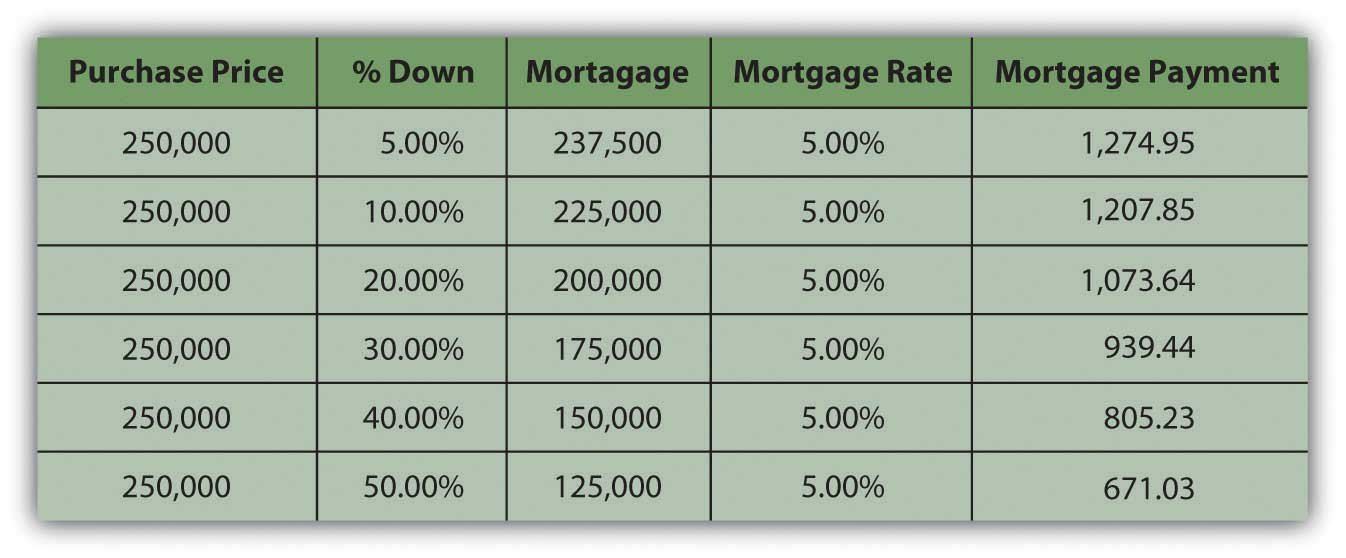
For years, the biggest hurdle to homeownership has been the same: saving up a massive pile of cash for a down payment. The idea of waiting until you have tens of thousands of dollars in the bank is enough to make anyone feel stuck in a rental cycle. But here is the truth that rarely gets told: the 20% down payment is a myth for many buyers, and in some cases, you can buy a house with no down payment at all.
It is not about finding a magic loophole or taking a risky deal from a shady lender. It is about knowing which government-backed loans exist, which programs you qualify for, and how to structure your offer so the seller contributes to your closing costs. Whether you are a first-time buyer or someone returning to the market, understanding how to buy a house with no down payment could be the difference between renting for another five years and owning your own place in the next six months.
Let’s break down the real options, the hidden costs you need to plan for, and the exact steps to get you into a home without a big upfront cash payment.
What “No Down Payment” Actually Means
Before you start browsing listings, you need to understand the fine print. A zero-down mortgage means you are financing 100% of the home’s purchase price. You are not handing over any cash at closing for the down payment itself, but you are still responsible for closing costs, which typically run between 2% and 5% of the loan amount.
These costs include the appraisal, title search, loan origination fees, and prepaid property taxes. Some buyers use a no-down-payment loan but then ask the seller to cover these closing costs through a concession. Others negotiate with the lender to roll the costs into the loan balance, though that increases your monthly payment slightly.
One important thing to remember: a zero-down loan is not the same as a zero-cost loan. You will still need some cash on hand to cover inspections and earnest money deposits, but the massive barrier of a 20% down payment disappears entirely.
The Best Loan Programs for Zero Down Payment
Not all mortgages are created equal. The federal government backs several programs that allow qualified buyers to purchase a home with no money down. These are not obscure products; they have been around for decades and have helped millions of families buy homes.
USDA Loans: For Suburban and Rural Buyers
The U.S. Department of Agriculture offers a loan program that allows 100% financing for homes in designated rural and suburban areas. Despite what you might think, you do not need to buy a farm to qualify. Many communities just outside major cities fall within the USDA’s eligible zones.
There is no down payment requirement, and the interest rates are often lower than conventional loans. You do need to meet income limits, which vary by county and family size. If you work remotely or have a flexible job, this could be your fastest path to homeownership. Check the USDA’s eligibility map early in your search to see if the neighborhoods you love actually qualify.
VA Loans: For Veterans and Active-Duty Military
If you have served in the military, are a veteran, or are a surviving spouse, the VA loan program is one of the most generous benefits available. You can buy a home with zero down payment, and there is no private mortgage insurance (PMI) requirement, which saves you significant money every month.
VA loans also have more flexible credit requirements than conventional loans. Many lenders offer these loans through an online application process, and you can reuse the benefit multiple times over your lifetime. This is the strongest zero-down option on the market, and far too many eligible service members never use it.
Conventional 100% Financing (Rare but Possible)
Some local banks and credit unions offer true 100% financing programs for community members. These are not federally backed, so they are harder to find and often come with slightly higher interest rates. However, they do exist, especially for medical professionals, teachers, and first responders.
Ask your local lender if they have any portfolio loans that allow no down payment. These are loans the bank keeps on its own books rather than selling to Fannie Mae or Freddie Mac, so they have more flexibility in setting the terms.
Down Payment Assistance Programs You Might Be Overlooking
If you do not qualify for a USDA or VA loan, down payment assistance (DPA) programs can effectively give you the cash you need. These are grants or low-interest loans from state and local housing agencies that cover your down payment and sometimes part of your closing costs.
Many of these programs are designed for first-time buyers, but some are open to anyone who meets income limits. The application process is usually done through a participating lender, and the funds are applied directly to your purchase. It is free money in the form of a forgivable loan, meaning you do not have to pay it back if you live in the home for a set number of years (typically 5 to 10).
Start with your state’s housing finance agency website. You will usually find a list of approved lenders who are familiar with combining DPA funds with a conventional mortgage. Combining a first-time buyer program with a seller concession can bring your out-of-pocket costs down to nearly zero.
How to Negotiate Seller Concessions
Even if your loan program requires you to put down a small amount, you can often get the seller to cover your closing costs. A seller concession is a credit the seller gives you at closing, effectively reducing the amount of cash you need to bring to the table.
For example, if you are putting down 3% on a conventional loan, you might ask the seller to cover your 3% closing costs. That way, your total out-of-pocket expense is just the down payment. In a buyer’s market, sellers are often willing to make this concession to close the deal quickly.
The key is to structure your offer carefully. Work with your agent to set the purchase price slightly higher to accommodate the concession, or simply ask for a specific dollar credit in the offer letter. This negotiation tactic is completely legal and very common, but it requires a seller who is motivated and a lender who allows concessions up to the maximum limit for your loan type.
The Hidden Costs No One Talks About
Buying a home with no down payment does not mean you should stretch yourself thin. You will still need to budget for the following:
- Closing costs: Unless the seller covers them, you will pay 2% to 5% of the loan in fees.
- Home inspection: An inspection costs a few hundred dollars but can save you from buying a money pit.
- Appraisal fee: Usually bundled into closing costs, but worth understanding.
- Moving expenses: A truck rental, boxes, and utility hookups add up faster than you expect.
- Emergency fund: A sudden HVAC failure or roof leak will not wait for your next paycheck.
Lenders want to see that you have some reserves left after closing. If your bank account is completely empty after the purchase, you may be denied even if you have a strong income. Keep at least a few thousand dollars in savings to show the lender you are a safe bet.
Improving Your Chances of Approval
Zero-down programs still require you to prove your creditworthiness. Your credit score, debt-to-income ratio, and employment history all matter. If you have been planning to buy a home next year, start working on these areas now.
Pay down credit card balances to lower your debt-to-income ratio, and avoid opening new credit lines in the months before your application. If your score is below 620, you may struggle to qualify for even a USDA loan, so check your credit report early and dispute any errors you find.
Getting pre-approved with a lender is the most important first step. This tells you exactly how much home you can afford and which programs you qualify for. Once you have that piece of paper, you can confidently make an offer and start exploring how to get the best mortgage rates for your new home to keep your monthly payment as low as possible.
If you are self-employed, be prepared to show two years of tax returns and a profit-and-loss statement. Lenders are stricter with self-employed borrowers because their income is less predictable, but VA and USDA loans tend to be more flexible than conventional ones.
Is Buying with No Down Payment a Good Idea?
The honest answer is: it depends on your personal situation. Buying with zero down means you start with no equity in the home. If property values drop, you could owe more than the house is worth. You will also have a higher monthly payment because you are financing the entire purchase price.
However, if you are currently paying rent that is similar to a mortgage payment, buying with no down payment can be a smart financial move. You lock in a fixed housing cost, build equity over time through appreciation, and stop throwing money away on rent. The key is to buy a home you can comfortably afford, not the most expensive house the lender approves you for.
For those looking at properties, keep in mind that zero-down loans are primarily for owner-occupied primary residences. You cannot use a USDA or VA loan to buy an investment property. If you are looking for a place to live, though, these programs are exactly what you need.
While you are planning your budget, remember that homeownership comes with recurring costs beyond the mortgage. If you are also a small business owner or planning to work from your new home office, you might want to explore best free CRM software options for businesses in 2026 to keep your business expenses low while you adjust to your new monthly obligations.
Conclusion
Buying a house with no down payment is not a fantasy reserved for a lucky few. It is a realistic path available through VA loans, USDA loans, and various down payment assistance programs. The catch is that you need to be organized, patient, and willing to shop around for the right lender who understands these products.
Start by checking your eligibility for government-backed loans, then contact a local lender to discuss your options. With the right preparation, you could be holding the keys to your new front door sooner than you ever expected.
Frequently Asked Questions (FAQ)
Can I buy a house with no down payment if I have bad credit?
It depends on the loan program. VA loans have the most flexible credit requirements, while USDA loans generally require a score of around 640 or higher. FHA loans allow lower scores but require a 3.5% down payment, so you would need a down payment assistance program to cover that gap.
Do I have to pay private mortgage insurance with a zero-down loan?
USDA loans charge a guarantee fee instead of PMI, and VA loans have no monthly mortgage insurance at all. Conventional loans with less than 20% down typically require PMI, but if you use a no-down-payment conventional program, the lender may include PMI in your rate.
How long does the process take from application to closing?
A typical mortgage closing takes 30 to 45 days. Government-backed loans like VA and USDA can sometimes take slightly longer due to additional underwriting steps, but a well-prepared borrower who responds to document requests quickly can close in about a month.
Can I use a no-down-payment loan for a fixer-upper?
USDA and VA loans require the property to meet minimum safety and livability standards. You can use renovation loans like the FHA 203(k) to finance repairs, but those require a small down payment. You can combine a VA renovation loan if you are a veteran, but options are limited for other buyers.
Do down payment assistance programs have to be repaid?
Some are forgivable loans that disappear after you live in the home for a certain number of years. Others are second mortgages with zero interest that must be repaid when you sell or refinance. Always ask your lender whether the assistance is a grant or a loan before you accept it.
Can I use gift money from family for closing costs?
Yes, most loan programs allow gift funds from family members to cover closing costs and sometimes even the down payment. The donor must provide a letter stating the money is a gift and not a loan, and you will need to show the bank statement proving the funds were transferred.